



Global payments and FX for wholesale businesses
Manage supplier payments, international transfers, multi-currency balances and team spending from one platform built for importers, exporters, distributors and trading companies.
Why wholesale choose Altery
Wholesale businesses depend on fast supplier payments, reliable international transfers and visibility across currencies and entities. Altery brings payments, FX, cards and operational controls into one platform so teams can manage global operations with more speed and confidence.




Faster onboarding for global operations
Open an account built for international wholesale businesses and reduce delays that slow down supplier payments, purchasing and expansion into new markets.
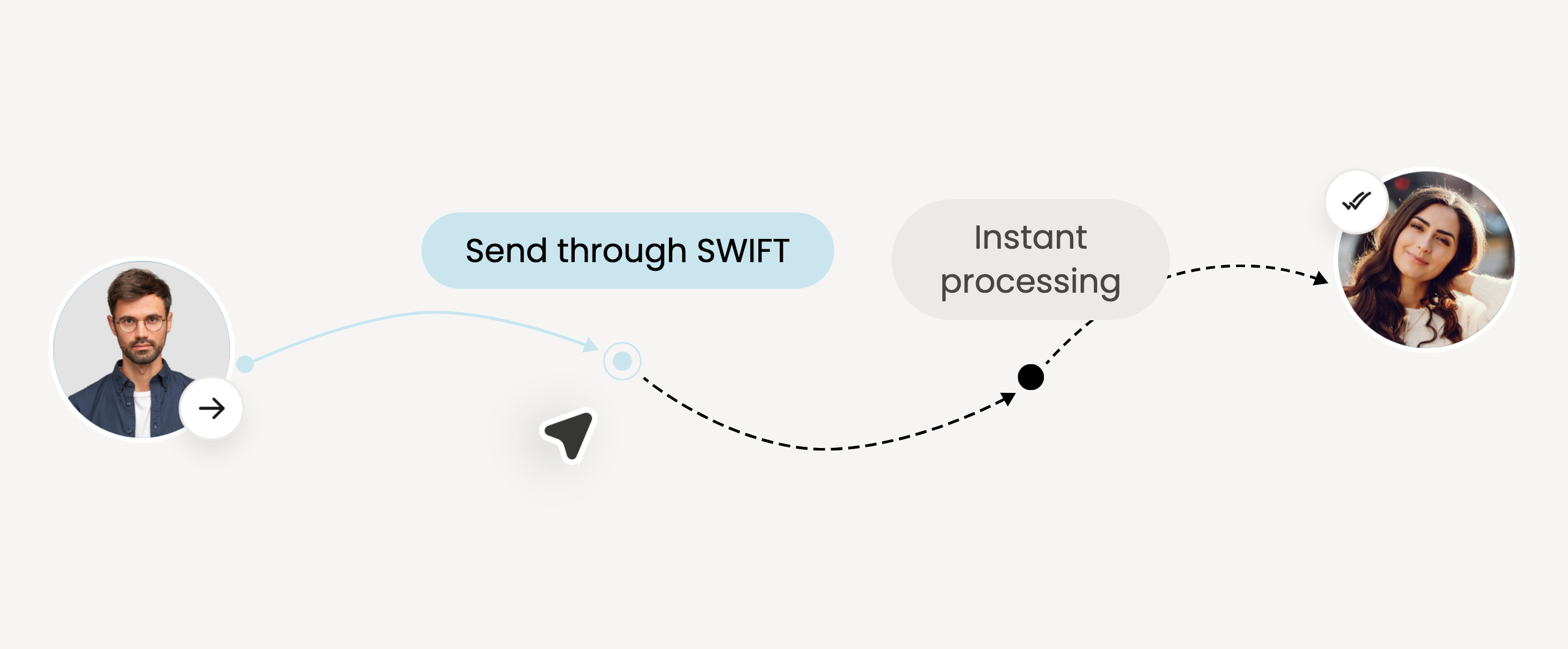
Global supplier payments without delays
Send high-value international payments through SWIFT, SEPA and local payment rails with faster processing and greater reliability.
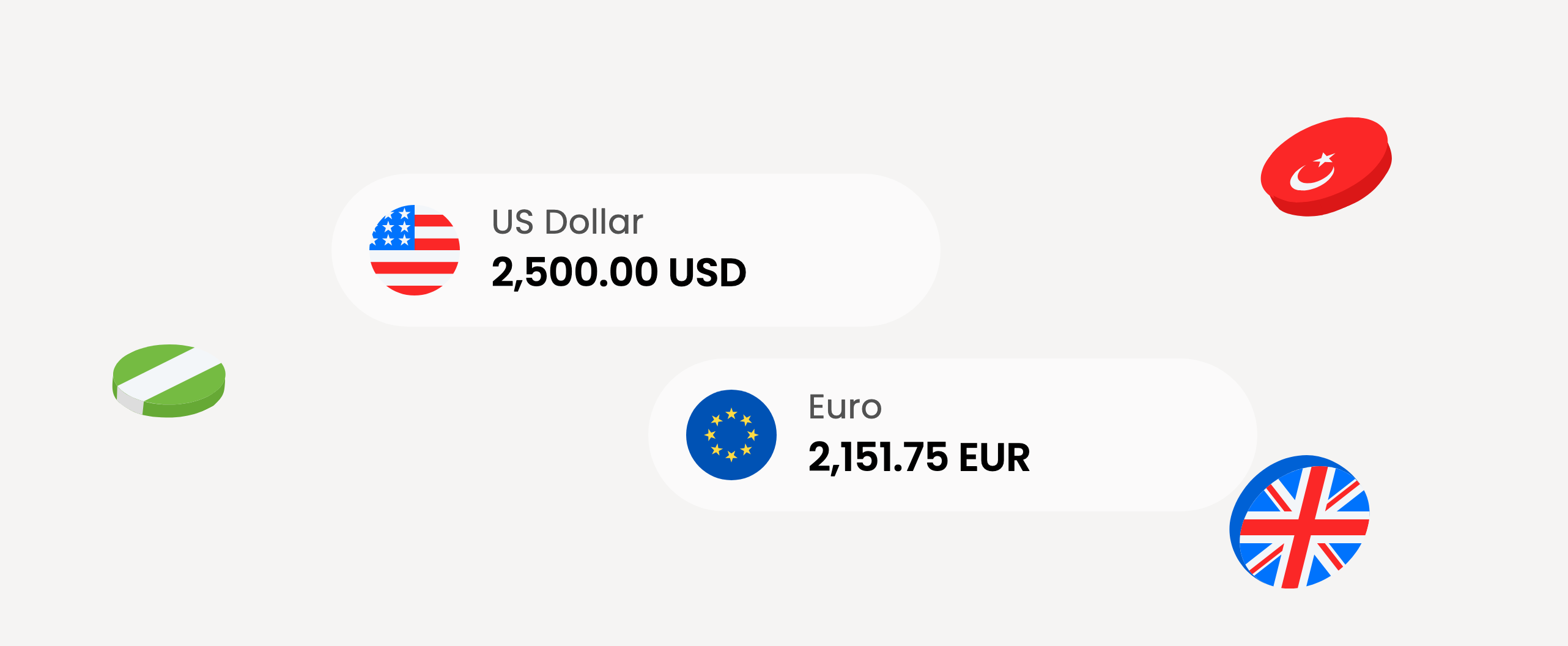
Multi-currency accounts with FX visibility
Hold and exchange multiple currencies from one platform while keeping tighter control over FX costs.

Controlled spending for distributed teams
Issue virtual and physical cards, set permissions by role and monitor operational spend.
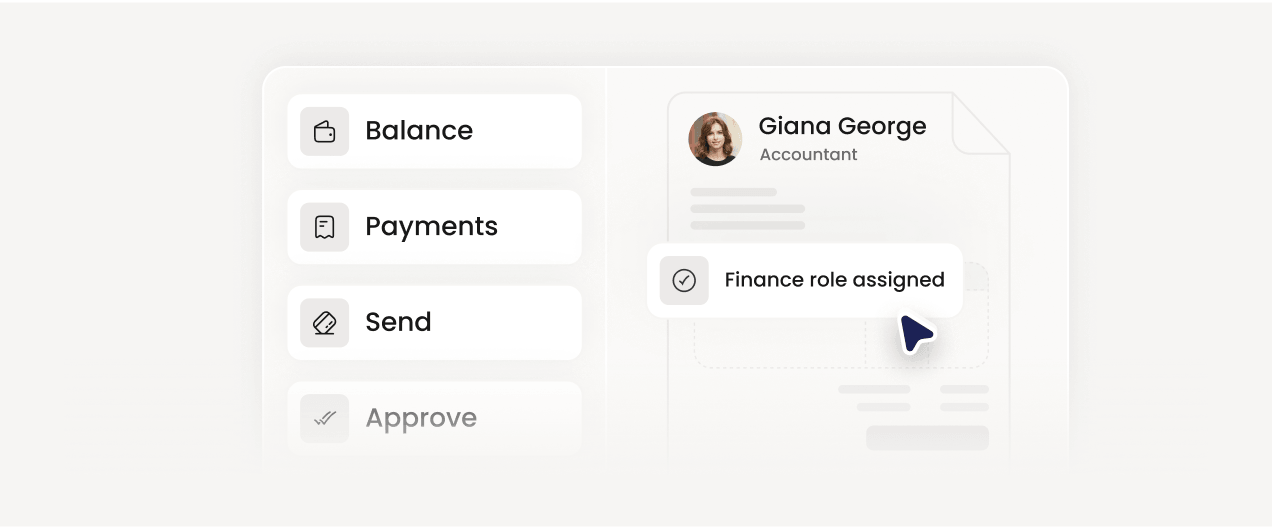
One platform for global operations
Manage payments, balances, cards and financial workflows across teams, entities and regions without switching between multiple providers.
Bring wholesale payments into one view
Give finance clear control over suppliers, entities, currencies and team spend as distribution expands.
Open your accountWholesale finance guides
Practical answers to the money questions importers, exporters and distributors run into, from paying overseas suppliers to closing the working-capital gap.

Freight, demurrage and the foreign-currency charges that erode margin
Freight, shipping and demurrage charges often land in a foreign currency at short notice and separately from the supplier invoice, quietly eroding margin.
 Zara Chechi

Customs declarations and EORI: getting the data right
Every import needs an accurate customs declaration and an EORI number. Wrong data means held goods, delays, penalties and miscalculated duty.
Zara Chechi

Import VAT and postponed accounting: the cash-flow basics
Paying import VAT in cash at the border ties up money before goods earn anything. Postponed accounting can ease the cash drag, with important caveats.
Zara Chechi

Reconciling purchase order, invoice and payment across currencies
Matching what you ordered to what you were invoiced to what you paid is the control that stops overpayments and duplicate payments slipping through.
Zara Chechi

Making high-value cross-border supplier transfers
Large international supplier payments run on SWIFT, SEPA or local rails. Here is how fees along the way, cut-off times and correct beneficiary details affect what arrives and when.
Zara Chechi

Paying suppliers in local currency or in USD
Suppliers often quote in USD even when it is not their home currency, which can build in an FX margin you then pay again on conversion. Here is how to compare local-currency pricing.
Zara Chechi

Timing the FX on supplier invoices
The balance on a supplier order is often due weeks or months after you place it, and the rate can move in between, changing your cost in your home currency. Here is how to think it through.
Zara Chechi

Collecting from trade customers and handling late payment
In distribution you sell on credit, but the cash to buy that stock has already gone to suppliers. Here is how to collect promptly and keep late payers from straining the cycle.
Zara Chechi

Purchase-order financing for distributors: how it works
When a big order outruns your cash, a financier can pay the supplier against the order. Here is how purchase-order financing typically works.
Zara Chechi

Negotiating supplier payment terms to free up cash
Payment terms are the most direct lever on your working capital. Here is how deposits, milestones and net terms move cash, and how to negotiate them.
Zara Chechi

The working-capital gap between suppliers and customers
You pay suppliers on short terms but customers pay you on long ones. Here is how that cash mismatch works and the levers that close it.
Zara Chechi

Proof-of-trade documents: getting paid against paper, not goods
The bill of lading, commercial invoice, packing list and certificate of origin are what banks actually pay against. Keep them accurate and consistent.
Zara Chechi

Documentary collections explained
A documentary collection is the cheaper middle ground between cash in advance and a letter of credit. Here is how D/P and D/A work, and their limits.
Zara Chechi

Letters of credit explained
A letter of credit substitutes a bank's credit for yours, paying your supplier against compliant documents. Here is how it works and when it earns its cost.
Zara Chechi

Understanding supplier prepayment risk
Paying up front means trusting a counterparty before you have seen the goods. Here is how to size that risk and the practical ways to reduce it.
Zara Chechi

Paying overseas suppliers by deposit and balance
Physical-goods orders are usually funded in stages, a deposit up front and the balance before shipping. Here is how the split works and what it buys you.
Zara Chechi

Choosing how to pay an overseas supplier
The four main ways to pay an overseas supplier sit on a risk ladder. Here is how to choose the right one for each supplier and order.
Zara Chechi