
Multi-currency accounts for cross-border haulage: stop FX leakage on every leg

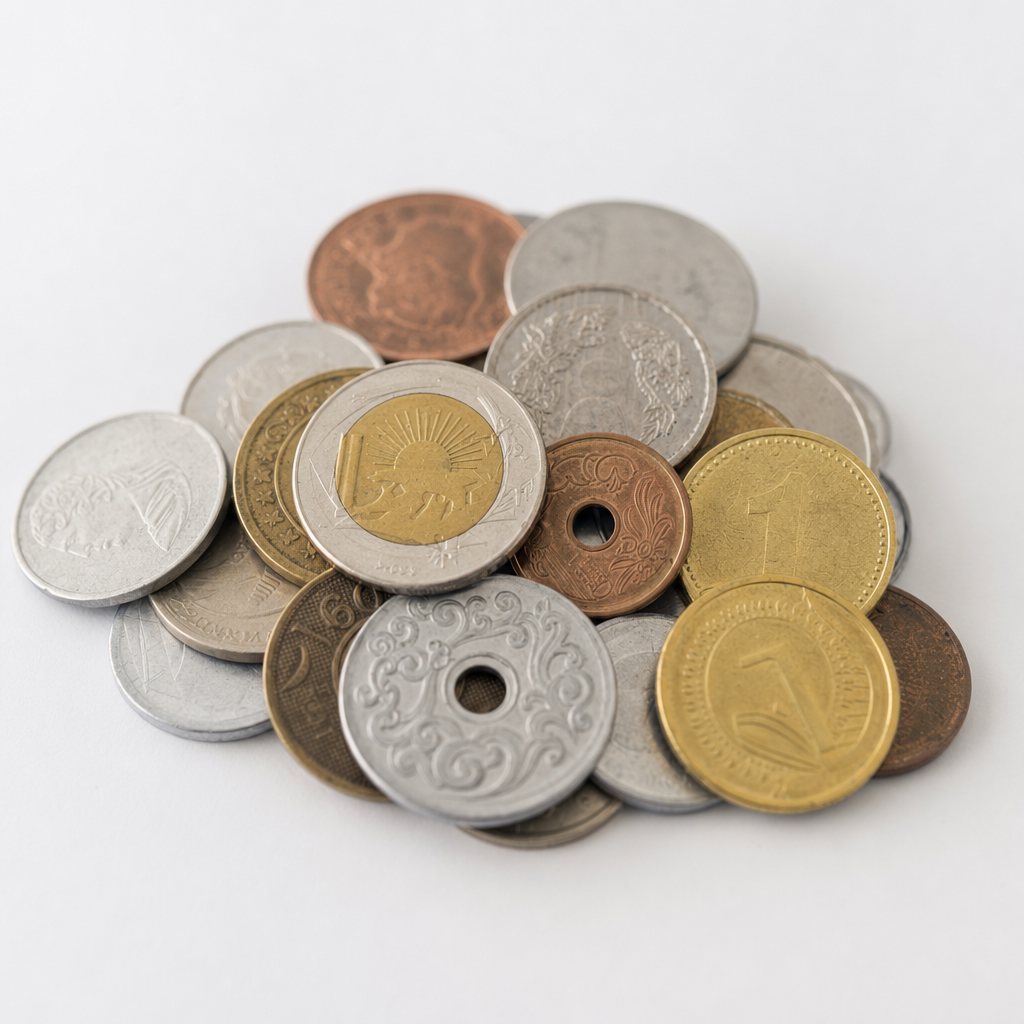
An international haul rarely happens in one currency. You fuel up and pay tolls abroad in EUR or a local currency, settle a port or terminal charge in something else, pay a foreign driver or subcontractor in their own currency, and then invoice the shipper or forwarder in whatever currency they prefer to pay you in. By the time the load is delivered and paid for, the cash for a single trip may have crossed three or four currencies.
Every one of those crossings is a chance to lose margin. If your account only holds one currency, each foreign cost gets force-converted at whatever rate and spread apply that day, and your incoming payment gets converted again on the way in. On the thin margins typical of freight, that leakage adds up fast across a fleet. This guide explains where the leakage hides on a cross-border haul and how holding the right currencies stops it. It is general information for transport operators, not financial advice.
A business account built for logistics and freight
Open your accountWhere FX leaks on a single haul
Picture one international run and follow the money. Diesel bought abroad is priced in the local currency. Motorway and bridge tolls are charged in EUR or a national currency. A port or terminal handling fee lands in yet another. If you use a foreign driver or a subcontracted carrier on the far leg, they expect to be paid in their currency. Meanwhile the shipper or forwarder that hired you pays in their currency, often on delayed terms, weeks after the costs went out.
If everything routes through a single-currency account, each of those foreign costs is converted at the point of spend, and the incoming receipt is converted on arrival. You are charged a spread on the way out and again on the way in. Worse are double conversions, where money is turned into one currency and then straight back into another to settle a bill. None of this shows as a line item you can argue with, which is exactly why it goes unnoticed.
Hold the currencies you actually earn and spend
The fix is structural rather than clever. If a meaningful share of your costs and receipts are in EUR, GBP or USD, hold balances in each of those currencies and let the money sit there. When a EUR toll or diesel bill arrives, pay it straight from your EUR balance with no conversion. When a forwarder pays you in EUR, that money lands in the EUR balance and is ready to fund the next European leg.
The aim is to match the currency you spend to the currency you earn so that conversion becomes the exception, not the default on every transaction. Foreign-VAT and fuel-duty refunds, which often come back to you later and in the currency of the country you operated in, can simply land in the matching balance and be reused rather than converted twice. We cover those refunds in our guide on reclaiming foreign VAT on road freight, and the in-country cost side in cross-border tolls versus fuel costs.
Convert on your own timeline, not on every transaction
Holding balances also hands you control over when you convert. Instead of being force-converted at the moment of each spend or receipt, you decide when to move money between currencies, in the amounts you choose. If your EUR earnings broadly cover your EUR costs, you may rarely need to convert at all. When you do, you can do it deliberately in one larger move rather than dozens of small ones, each carrying its own spread.
This matters most because freight payment is slow and lumpy. Costs go out in one currency at the start of a haul; the matching receipt may arrive in another currency weeks later. Carrying balances across that lag lets you cover the gap in-currency rather than converting twice around it. The cash-flow side of that timing lag is covered in our guide on the freight cash-flow gap.
Paying drivers and costs in-currency abroad
Much of a haul's foreign cost is spent at the roadside by a driver: diesel, tolls, parking, a roadside repair. If those payments are made on a card tied to a single home-currency balance, each one is converted on the spot. Cards that can draw on the currency you actually hold let a driver fuel up in EUR from your EUR balance, so the spend matches the balance and skips the conversion.
The same logic applies to people. A foreign driver or subcontracted carrier paid in their own currency, from a balance you already hold in that currency, costs you nothing in conversion and arrives as the full expected amount on their end. Keeping per-currency records this way also makes your foreign-VAT and fuel-duty reclaim paperwork cleaner, because the spend is recorded in the currency the refund will come back in.
How Altery fits
This is a direct fit for what Altery offers. A multi-currency business account lets you hold balances in USD, EUR and GBP at the same time, so the currencies you earn on a cross-border haul are the currencies you spend from. EUR tolls and diesel come straight out of your EUR balance; a forwarder paying you in EUR tops that same balance back up. FX happens on your timeline: you choose when and how much to convert, rather than being force-converted on every transaction.
Business cards can be used in-currency abroad and carry per-card spend limits and merchant controls, so a driver can fuel and pay tolls from the right balance without exposing your whole account. You can pay foreign drivers and subcontractors in their currency from a matching balance, ring-fence money in dedicated pots, and watch real-time balances and alerts across every currency at once. Multi-entity management keeps separate operating companies cleanly apart. Altery is not a bank, and this is general information rather than financial advice.
Frequently asked questions
Because a single international run mixes currencies. You pay tolls and diesel abroad in EUR or a local currency, settle port charges and foreign drivers in others, then invoice the shipper in their currency. If your account holds only one currency, each foreign cost and each incoming payment is converted, and you pay a spread each time. Sometimes money is converted twice to settle one bill, which is the most expensive case.
If you hold balances in the currencies you both earn and spend, you can pay a EUR toll or diesel bill straight from your EUR balance with no conversion, and receive a EUR payment into that same balance ready to fund the next leg. Matching spend to earnings means conversion becomes the exception rather than the default, which keeps the margin in the load.
Holding balances lets you decide when and how much to convert, instead of being force-converted on every transaction. If your earnings in a currency broadly cover your costs in it, you may rarely need to convert at all. When you do, you can do it in one deliberate move rather than dozens of small ones that each carry a spread. Rates always vary, so treat any timing as a judgement, not a guarantee.
Run your fleet and freight finances from one account
Open your accountThis guide is general information to help logistics and freight businesses and is not financial, tax or legal advice. Altery is not a bank. Check your own circumstances before acting.
Keep reading

Cross-border tolls versus fuel: budgeting the bigger cost
Road tolls per kilometre now rival, and sometimes exceed, fuel cost for heavy trucks in several European countries. Here is why, and how to budget a large, route-dependent, multi-currency cost.

Reclaiming foreign VAT on road freight expenses
A carrier can often reclaim VAT it pays on diesel, tolls and other expenses in EU countries where it is not registered. Here is how the refund routes work and why the recoverable basket differs country by country.

The freight cash-flow gap: why you pay now and get paid later
Every load you run costs cash the moment it moves, yet payment can take a week or far longer. Here is why the gap is structural to freight and how to manage it.