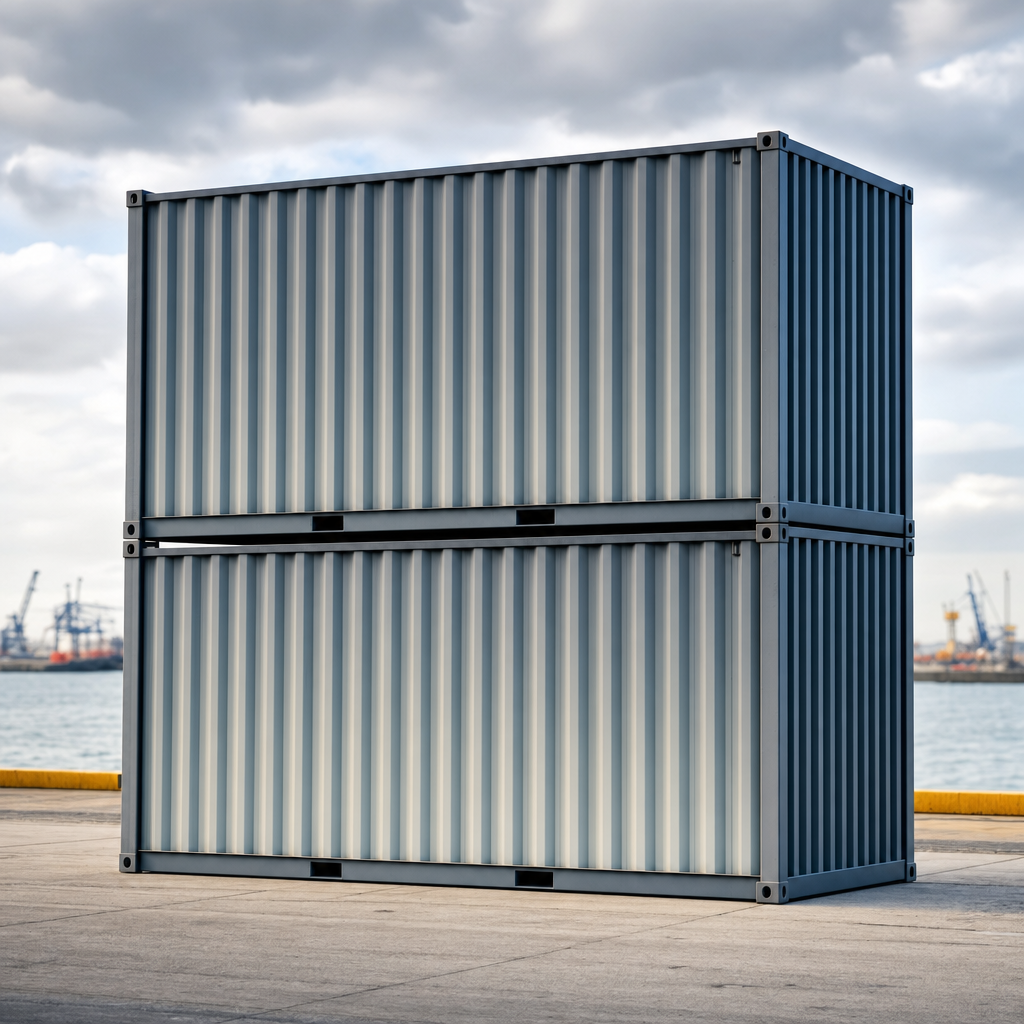
Financial operations built for logistics teams
Manage cross-border payments, fleet spending, contractor payouts and operational finance from one platform designed for logistics, transport and supply chain businesses.
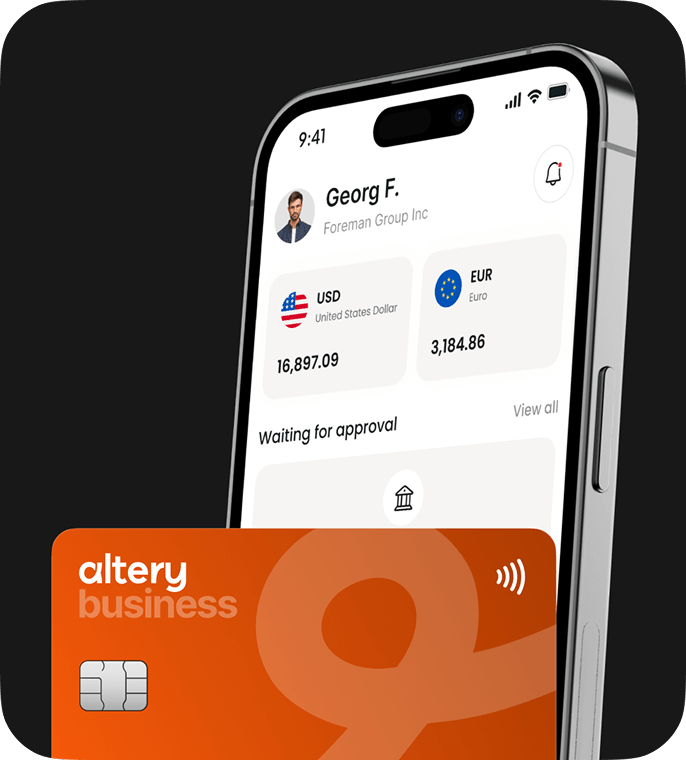
Why logistics companies choose Altery
Logistics businesses manage international suppliers, distributed teams, operational spending and time-sensitive payments every day. Altery helps centralise payments, FX, cards and financial workflows so operations can move faster with greater visibility and control.

Faster international payments
Send cross-border payments with greater speed and transparency while reducing delays tied to international settlements and multiple intermediaries.

Multi-currency accounts with FX visibility
Manage operational payments and balances across currencies while keeping tighter control over FX costs and international cash flow.

Cards for fleet and operational spending
Issue cards for fuel, tolls, maintenance, travel and operational expenses with real-time tracking and spend controls by role, team or vehicle.

Simplified payouts for contractors and drivers
Support contractor and driver payouts with infrastructure designed for recurring operational payments across distributed teams.
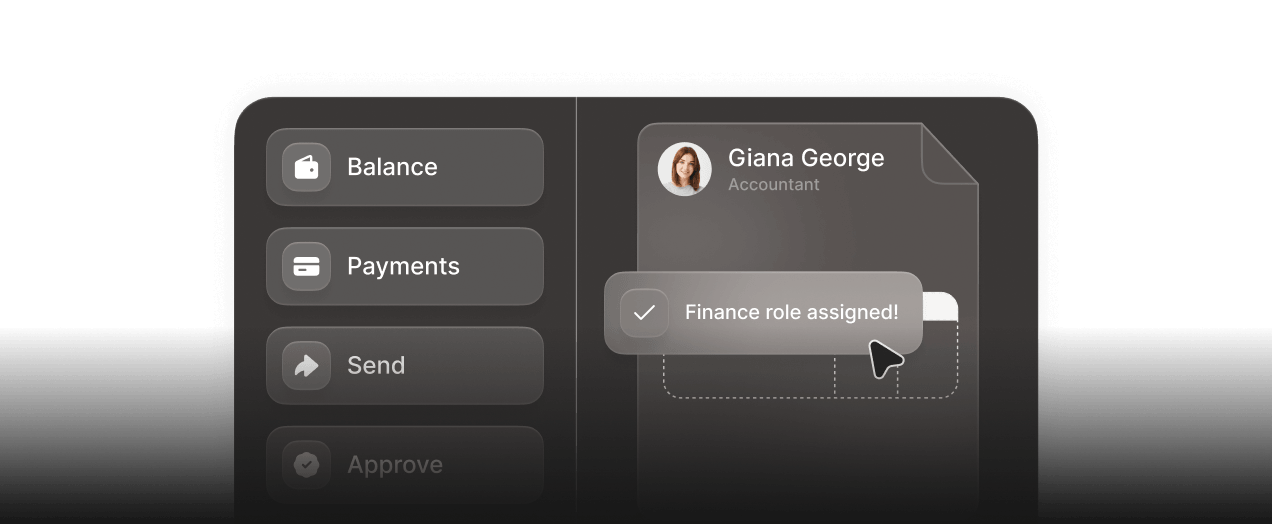
Automate finance operations with APIs
Connect payments, reconciliation and financial workflows with your existing ERP, TMS or operational systems through API integrations.
Run logistics finance from one platform
Simplify international payments, control operational spending and manage distributed financial workflows with infrastructure built for logistics businesses.
Open your accountLogistics finance guides
Practical answers to the money questions carriers, freight forwarders and fleet operators run into, from closing the freight cash-flow gap to controlling fuel cards and getting paid across borders.

The freight cash-flow gap: why you pay now and get paid later
Every load you run costs cash the moment it moves, yet payment can take a week or far longer. Here is why the gap is structural to freight and how to manage it.
Freight factoring versus broker quick-pay: which gets you paid faster
Both freight factoring and broker quick-pay turn a slow invoice into near-term cash. Here is how they differ on speed, cost and reach across your customers.
Recourse versus non-recourse factoring: who carries the risk
Non-recourse factoring sounds like it removes your risk, but it rarely covers every non-payment. Here is what each type means and why you still keep cash set aside.
Fleet-card spend controls: managing dozens of driver cards without losing the plot
Once you run more than a handful of driver cards, control is everything. Here is how per-card limits, merchant locks and real-time visibility keep fleet spend attributable and safe.
Fuel-card fraud and skimming: why trucking is so exposed and how to cut the leak
Fuel-card fraud is a quiet, recurring drain on fleet cash, and trucking is more exposed than most sectors. Here is why, and the practical controls that cap the damage.
Detention and accessorial receivables: getting paid for held time
When your truck, driver or container is held beyond free time, that wait is billable. Here is how to treat detention and accessorials as receivables you must chase.
Disputing demurrage and detention invoices
Under US FMC rules, a demurrage or detention invoice that arrives late or omits required details can be challenged. Here is what the rules require and how to use them.
Detention vs demurrage explained
Demurrage and detention sound interchangeable, but they are billed for different things. Here is the difference, who pays, and why the charges compound so quickly.
Why transport accounts get flagged, and how to keep yours stable
Transport accounts get reviewed or frozen for reasons specific to freight. Here is what triggers it and the documented, predictable habits that reduce the chance of disruption.
Paying owner-operators and subcontracted carriers: fast, per load, against the POD
If you settle a roster of owner-operators and subcontracted carriers per load against the POD, a late or wrong payment costs you capacity fast. Here is how to run the payout run cleanly.
Driver expenses and per diem: cards versus reimbursement on the road
Drivers on multi-day trips rack up meals, lodging, parking and small repairs. How you fund those costs shapes your reconciliation, your control and your drivers' own cash.
Managing the customs duty disbursement float
When you pay a client's import duty to release their cargo, that money sits on your cash until they reimburse you. Here is how to manage the disbursement float.
Multi-currency accounts for cross-border haulage: stop FX leakage on every leg
One cross-border haul touches several currencies before you are paid. Each conversion quietly shaves your margin. Here is how holding the currencies you earn and spend keeps that money in the load.
Cross-border tolls versus fuel: budgeting the bigger cost
Road tolls per kilometre now rival, and sometimes exceed, fuel cost for heavy trucks in several European countries. Here is why, and how to budget a large, route-dependent, multi-currency cost.
Reclaiming foreign VAT on road freight expenses
A carrier can often reclaim VAT it pays on diesel, tolls and other expenses in EU countries where it is not registered. Here is how the refund routes work and why the recoverable basket differs country by country.
Reclaiming French fuel duty (TICPE) refunds for hauliers
Commercial hauliers can reclaim part of the French diesel excise duty (TICPE) on qualifying trucks, but the money comes back months later. Here is how the refund works and how to bridge the wait.