



Finance control for sports organizations
Manage clubs, events, academies, travel, sponsorship operations, and international partners from one account structure.

Sports finance moves across teams, seasons, and borders
Sports organizations may manage clubs, academies, events, vendors, travel, sponsors, and seasonal staff at the same time. Payments and cards need to move quickly, but approvals and budget ownership still need discipline.


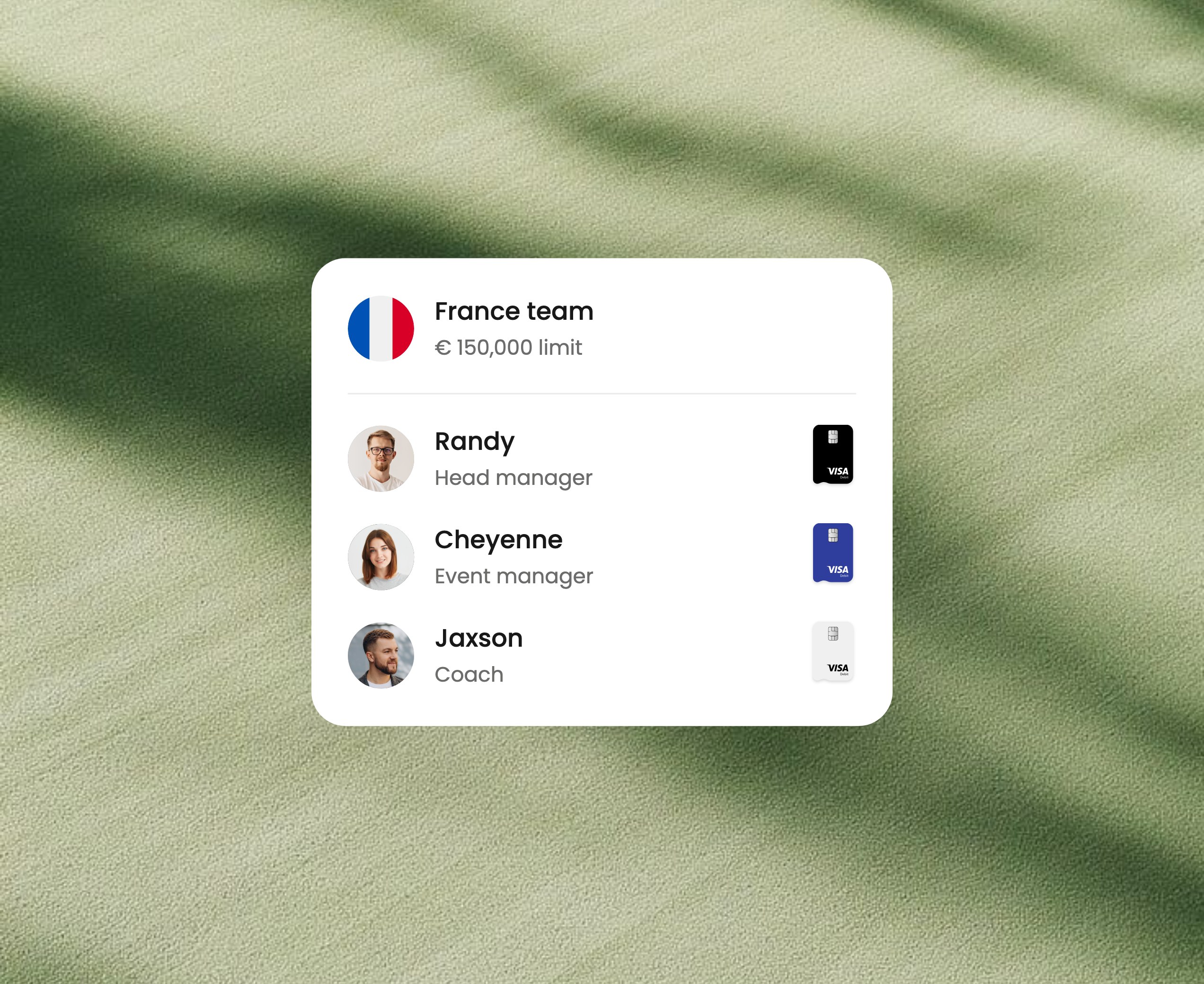
Separate budgets without fragmenting oversight
Use entity-level balances, cards, and permissions to organize teams, events, or regional operations while finance keeps a consolidated view.
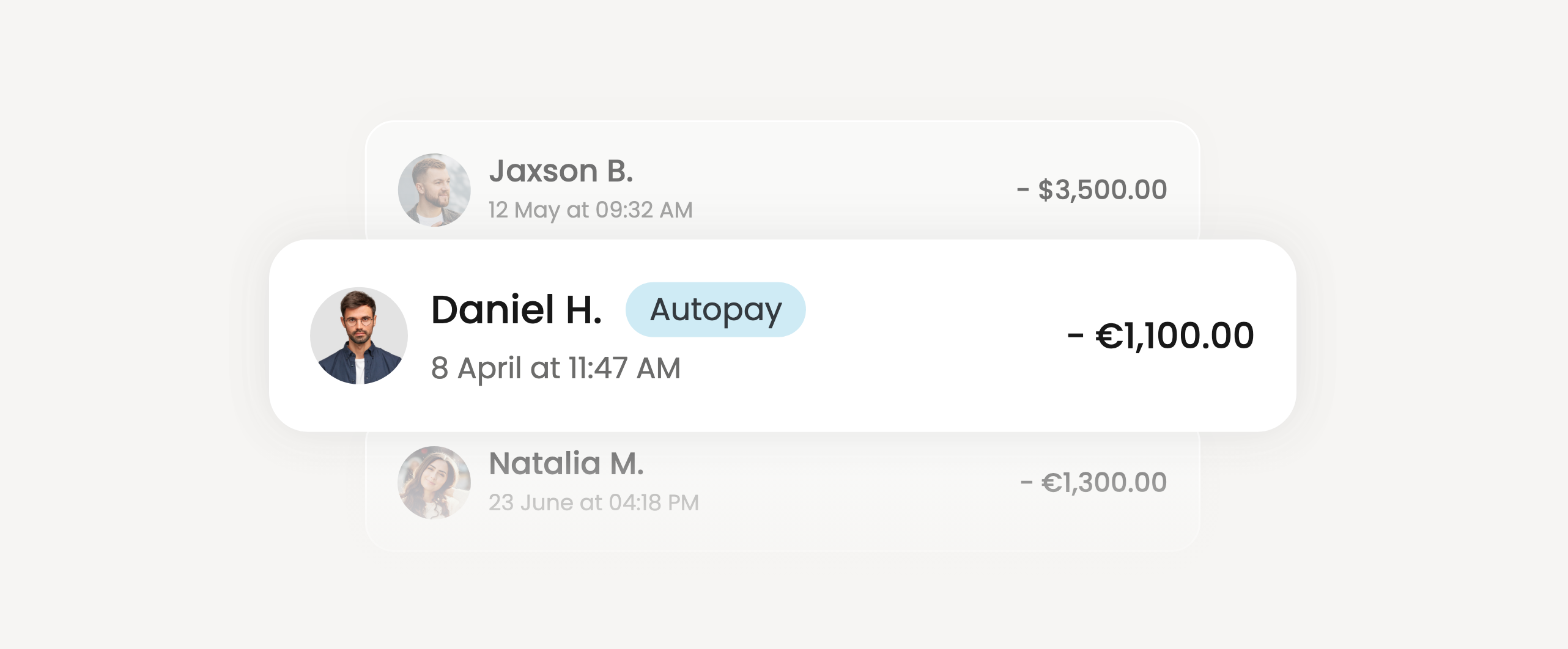
Support event and team operations
Handle vendor, travel, facility, and contractor payments with clearer ownership.

Control staff and travel spend
Issue cards and access rules for managers, operations teams, and event staff.
Keep sports finance organized as operations grow
Bring clubs, events, staff, and partner payments into one controlled business finance setup.
Open your accountSports finance guides
Practical answers to the money questions sports organisations run into, from athlete withholding tax and distributing a prize pool across currencies to riding the off-season cash-flow gap and paying players, officials and agents across borders.

Athlete withholding tax when competing abroad
When an athlete competes overseas the host country usually taxes the gross fee or prize before payment. Here is who withholds it and how to plan the cash.
 Zara Chechi

VAT on tickets, sponsorship and cross-border sporting events: where the tax is due
Admission to a live sporting event is commonly taxed where it physically happens, and sponsorship is usually standard-rated. Here is where the VAT lands and how to plan for it.
Zara Chechi

Paying out a prize pool across many currencies
You receive one purse, then have to split it among ranked competitors in different countries and currencies against a deadline. Here is how to do it cleanly.
Zara Chechi

Running an esports prize-pool payout cleanly
Esports prizes go either to the org or straight to players, withholding varies by host country, and a missing tax ID triggers the top rate. Here is the clean path.
Zara Chechi

Paying players and officials across borders, per match
Paying referees, casual players and guest officials per match means many small cross-border payments. Here is how to handle the FX, timing and repetition cleanly.
Zara Chechi

The seasonal cash-flow shape of a sports business, and bridging the off-season gap
Matchday and tour revenue concentrate in-season while costs run all year, leaving a structural off-season cash trough. Here is how to plan for and bridge it.
Zara Chechi

Season-ticket and membership money as deferred revenue
Season tickets and memberships are paid before a ball is kicked, yet the season is delivered over months. Here is why that cash is owed, not earned, on day one.
Zara Chechi

Why sports organisations are treated as higher-risk, and how to keep your accounts stable
Ticketing chargebacks, large irregular flows and betting-adjacent activity can get a sports business classed as higher-risk. Here is why, and how to reduce single-point-of-failure exposure.
Zara Chechi

Funding team travel and per-diems with controlled cards
Touring squads spend across many currencies, and per-diems are messy to reconcile. Here is how controlled cards with limits keep tour budgets under control.
Zara Chechi

Sponsorship and endorsement income in a sponsor's currency
Big sponsorship deals pay in milestones, in the sponsor's currency, on their schedule. Here is how to handle the FX exposure and spread lumpy receipts.
Zara Chechi

Receiving transfer or buy-out fees in instalments without starving the wage bill
A transfer or buy-out fee is often paid in instalments over months or years, but the wage bill is due now. Here is how to manage staged receipts without a cash squeeze.
Zara Chechi

Smoothing lumpy media- and broadcasting-rights income across a season
Broadcasting and media-rights money lands in a handful of large payments while wages and facilities run every month. Here is how to smooth that feast-then-famine pattern.
Zara Chechi

Receiving public and governing-body grant funding with strings attached, and keeping it ring-fenced
Grants from public funding bodies and governing bodies come in tranches with conditions attached. Here is how to keep each one ring-fenced and audit-ready.
Zara Chechi

Managing agent and intermediary commissions
Agent and intermediary commissions are a material, regulated cost on player and commercial deals. Here is how to plan the timing, currency and set-aside.
Zara Chechi

How the duty-day tax split works for athletes and teams playing across regions
An athlete who plays across regions often owes tax in each one, allocated by duty days. Here is how the split works and how to keep the set-asides clean.
Zara Chechi

Apportioning image-rights and worldwide income for athletes who perform partly abroad
Image-rights and endorsement income is often apportioned by where an athlete performs. Here is how the day-based split works and why structures face growing scrutiny.
Zara Chechi