



Financial infrastructure for global EdTech platforms
Manage multi-currency revenue, creator payouts, subscriptions and operational finance from one platform built for modern education businesses and global learning platforms.







Why EdTech companies choose Altery
EdTech companies operate across international learners, instructors, creators and partners. Altery helps platforms manage collections, payouts, currencies and operational finance from one centralised platform designed for global growth.
 USD
USD

 EUR
EUR
 GBP
GBP

Mass payouts for instructors and creators
Pay tutors, instructors, creators and affiliates across multiple countries from one platform designed for recurring global payments.

Built for international platform growth
Support global expansion with multi-entity account structures, centralised finance operations and infrastructure designed for international businesses.

Less manual finance work
Automate payouts, reconciliation and recurring finance workflows so your team spends less time on operational admin.
One place for operational finance
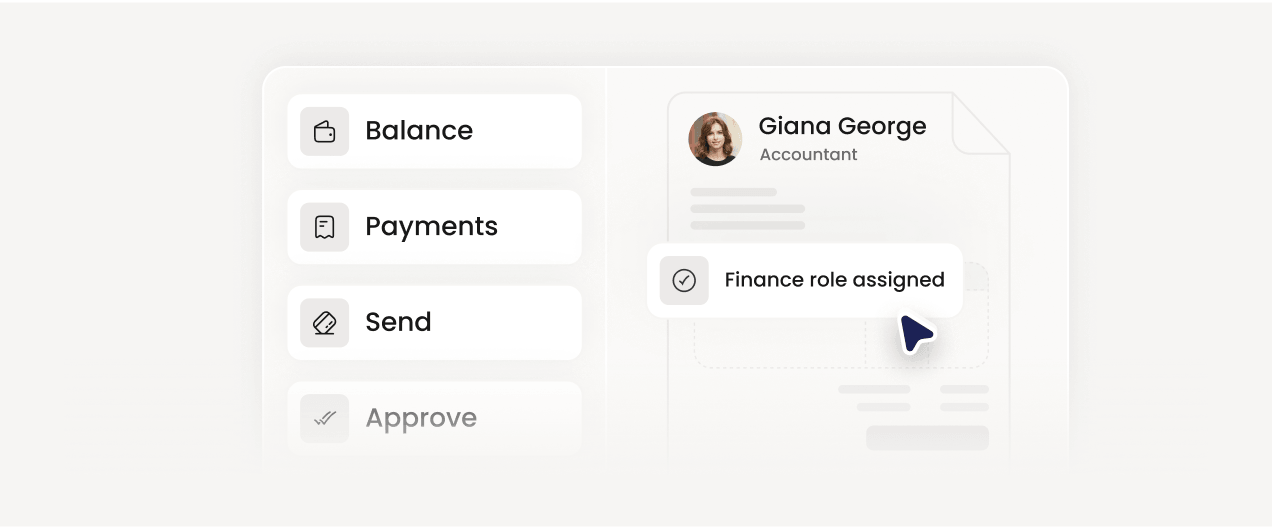
Manage balances, payments, cards, permissions and financial workflows from one platform instead of relying on fragmented providers.
Run global EdTech finance from one platform
Built for education businesses operating across borders, from payouts to day-to-day finance operations.
Open your accountEdTech finance guides
Practical answers to the money questions education and e-learning businesses run into, from the VAT treatment of online courses and ring-fencing prepaid tuition to selling into schools and paying a global pool of educators.

Is your online education actually VAT-exempt? (Usually not)
Selling education does not make your supplies VAT-exempt. The exemption is narrow, and most commercial online learning platforms fall outside it.
 Zara Chechi

Live vs automated courses: why the format changes the tax
The way you deliver a course, automated or live, can change its tax classification and where you owe. The format genuinely drives the treatment.
Zara Chechi

Where your cross-border course sales are taxed
For digital services to consumers, tax often follows where the learner lives, not where you are. Selling the same course worldwide can create obligations in many places.
Zara Chechi

Deferred revenue: ring-fencing prepaid tuition and annual subscriptions
Upfront tuition and annual subscriptions look like spendable cash, but most of it is unearned and recognised only as you deliver. Here is how to hold it safely.
Zara Chechi

Collecting tuition and subscriptions in many currencies
When you sell the same course globally but settle in one home currency, you either push an FX markup onto learners or eat the conversion cost yourself. There is a better shape.
Zara Chechi

Offering pay-over-time tuition: cash flow and the compliance picture
Spreading tuition over a few instalments helps learners say yes, but the cash arrives behind delivery and a payment plan may count as a type of loan. Know both before you launch.
Zara Chechi

Selling into schools: the long gap between the deal and the cash
A new-district or institutional sale can run a year or more from first conversation to the first payment. The danger is treating a signed intention as cash you can already spend.
Zara Chechi

Refunds and money-back guarantees: the cash you keep ready
A money-back guarantee means some of your collected tuition is not really yours yet. Spend it before the refund window closes and a wave of refunds can leave you short.
Zara Chechi

Keeping payment accounts stable when refunds and chargebacks run high
Card acquirers watch chargeback ratios closely, and education runs elevated. Too many disputes can mean higher fees, withheld reserves, or losing your payment account entirely.
Zara Chechi

Holding student money you haven't earned yet
Holding learners' deposits, credit balances or prepaid wallets can carry real duties: keep them segregated, fully backed and ready to return quickly.
Zara Chechi

Riding the academic-calendar cash-flow cycle
Enrolment spikes at term starts and quietens in between, but hosting, content and payroll run all year. Here is how to smooth the lumpy cycle.
Zara Chechi

Cohort-based course cash flow: paid upfront, delivered over weeks
Cohort courses take most tuition before the run starts, then owe weeks of live delivery. The money is in the account on day one but largely unearned.
Zara Chechi

Getting paid by institutions: purchase orders, invoices and net terms
Institutions do not pay like consumers. They run on purchase orders, invoices, bank transfers and net terms, which is a slower and very different rail from your B2C checkout.
Zara Chechi

Getting paid through public education-funding programmes
When a public programme subsidises your product, the cash splits across two payers on two timelines. The subsidised portion is a receivable from the programme, not the school.
Zara Chechi

Paying a global pool of tutors and course creators
When you share revenue with hundreds of tutors and creators across countries and currencies, paying each one individually is slow and bleeds FX on every transfer. There is a cleaner shape.
Zara Chechi

Paying course developers, curriculum writers and translators across borders
Behind every course sits a crowd of developers, instructional designers and translators, often paid per milestone, in many currencies. Here is how to pay them and keep the costs attributable.
Zara Chechi

Reconciling scholarships, discounts and coupons against what you actually collect
With scholarships, bursaries and promo codes everywhere, list price rarely equals cash collected. If you reconcile against list price your books and forecasts are wrong.
Zara Chechi