



Financial operations built for global travel businesses
Manage international payments, supplier settlements, team spending and multi-currency operations from one platform.

Why travel companies choose Altery
Travel companies move money across airlines, hotels, partners and global teams every day. Without the right setup, managing payments, currencies and operational spending across markets can become difficult to keep track of. Altery helps keep operations running smoothly with one platform for payments, FX, spending and operational finance.





Multi-currency accounts for global payments
Hold, send and manage multiple currencies from one platform while reducing friction across international travel operations.
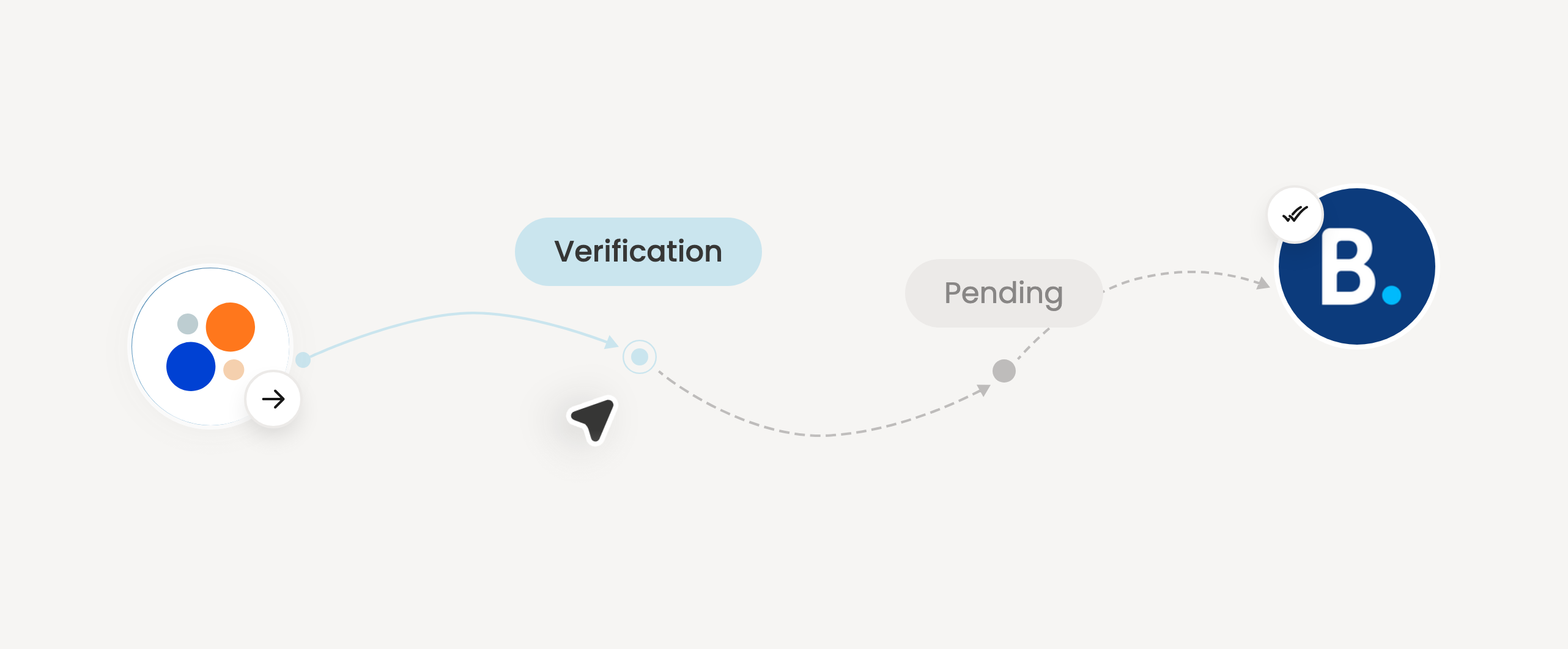
Reliable supplier and partner payments
Pay hotels, airlines, local operators, affiliates and travel partners through fast and transparent international payment infrastructure.
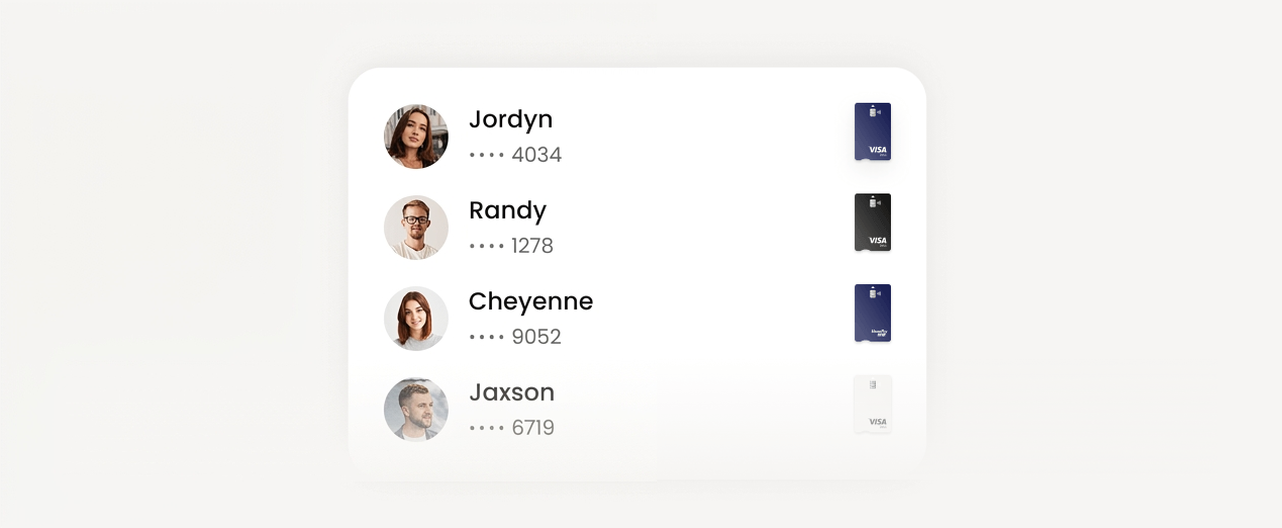
Cards for operational travel spending
Issue virtual and physical cards for bookings, advertising, subscriptions, employee travel and day-to-day operational expenses.
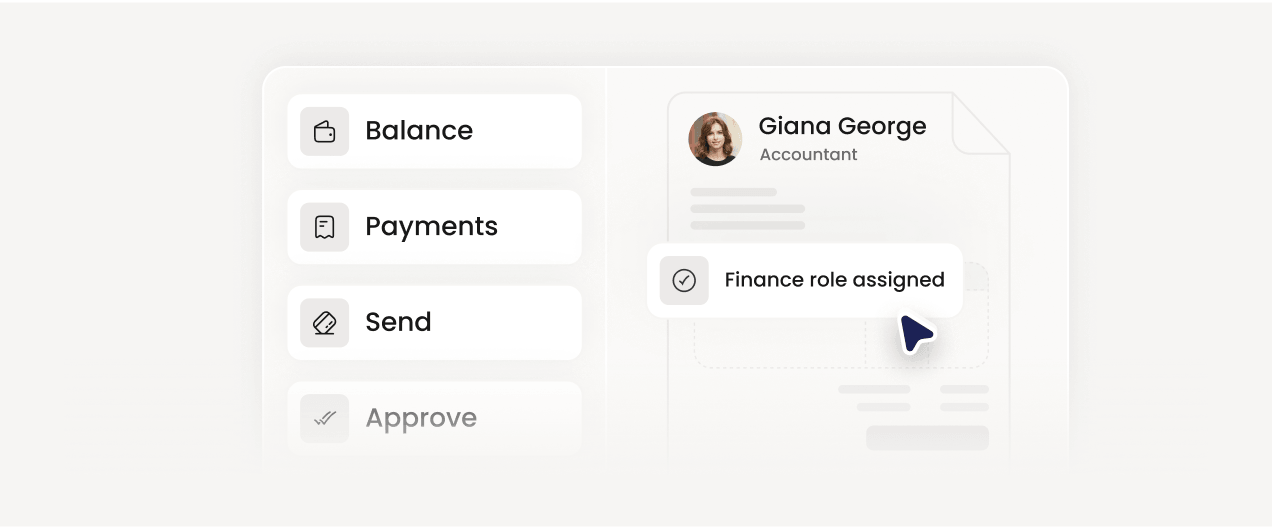
Better visibility over FX and cash flow
Travel businesses move money across markets every day. With Altery you can keep everything in one place instead of juggling multiple providers and accounts.
Run travel finance from one platform
Built for travel businesses operating across borders, currencies, suppliers and markets.
Open your accountTravel finance guides
Practical answers to the money questions travel agencies, tour operators and destination management companies run into, from airline settlement cycles and the booking-to-travel float to paying suppliers worldwide and getting the travel VAT treatment right.

Multiple brands and destination DMCs: keeping money and margins from blurring
Travel groups often run several consumer brands, in-destination DMCs and per-market entities, each with its own currency mix, supplier base and tax footprint. Without clean separation, money, FX exposure and per-brand profitability blur together.
 Zara Chechi

Booking seasonality: the two-humped travel cash cycle
Travel revenue concentrates in a short window while staff, licences and technology cost money all year. The booking peak and the travel peak are offset, producing a distinctive two-humped cash pattern.
Zara Chechi

Tourist and city taxes: pass-through money you collect but never own
Many destinations charge a tourist, city or occupancy tax that you collect from travellers and remit to local authorities on a fixed cycle. It is pass-through money, never yours, and counting it as revenue overstates both your income and your available cash.
Zara Chechi

Principal or agent? The distinction that shapes your VAT and your liability
Acting as principal means buying and reselling travel in your own name; acting as a disclosed agent means arranging a contract between supplier and traveller. The difference shapes your VAT, what money you hold, and who carries refund and chargeback risk.
Zara Chechi

The tour operators' margin scheme: VAT on your margin, not your turnover
Operators who buy travel and resell it in their own name often account for VAT only on the margin, not the full package price. Here is how the tour operators' margin scheme tends to work, and why turnover is a misleading basis for tax.
Zara Chechi

Ring-fencing customer prepayments: segregation hygiene, not protection
Money travellers pay before they travel is often regulated consumer prepayment. Keeping it visibly separate from operating cash is good discipline, but it is not the same as statutory protection.
Zara Chechi

Refund and cancellation reserves for future-dated travel
Travel sells future-dated services that can be cancelled en masse, triggering refunds and voucher liabilities at the same time. If you have already spent the cash, meeting them is hard.
Zara Chechi

Future-dated travel, chargebacks and acquirer reserves
Because travellers pay long before they fly, the card dispute window often starts at the travel date, not the purchase date. This guide explains how future-dated delivery and rolling acquirer reserves tie up your liquidity, and how to plan around it.
Zara Chechi

A virtual card per booking for supplier pay
Operators often pay hotels, ground handlers and DMCs booking-by-booking by card, then struggle to match payments to reservations, control spend and avoid FX leakage. Issuing a virtual or single-use card per booking ties each payment to one reservation with its own limit and currency. This guide explains the approach.
Zara Chechi

Paying guides and DMCs abroad for one trip
One trip can require paying a lodge, a local guide, a transfer company and a DMC, each in a different country and currency, with every payment timed to the travel date. Relying on slow per-supplier wires adds days, fees and reconciliation pain. This guide explains how to manage that fragmented chain.
Zara Chechi

The per-booking FX spread you quoted away
You quote and collect in your customer's currency, but the supplier is paid in the destination currency weeks later. Because the sale price is locked before the conversion happens, every spread eats into a margin you can no longer adjust. This guide explains the pre-quoted-margin trap and how to manage it.
Zara Chechi

Supplier prepayments to destinations and your float
Securing room blocks, ground handling and DMC services usually means paying deposits or full prepayments in foreign currency, well before your customers settle their balances. This guide explains how those committed outflows invert the booking float and how to keep committed cash separate from free cash.
Zara Chechi

The booking-to-travel cash float: prepaid money you don't yet own
Customers pay you weeks or months before they travel, while most of your supplier cost falls due close to departure. That gap creates a tempting float, but it is prepaid money you do not yet own.
Zara Chechi

Recovering supplier commissions that arrive late or short
Commissions due from hotels and suppliers often arrive late, short, or never, lost to changed dates, re-keyed references and systems that do not reconcile. This guide explains the post-stay receivables problem and how to track what you are actually owed.
Zara Chechi

Net rates versus commission: where your money sits
Travel businesses earn either by marking up a confidential net rate or by collecting a commission later. The two models hold money in completely different places at different times, and mixing them muddles your forecasting and reconciliation.
Zara Chechi

Airline ticket settlement and your cash flow
Issuing air tickets means collecting fares on behalf of carriers, then remitting them through the industry settlement system on a fixed calendar. This guide explains why that scheduled debit can drain your operating account, and how to keep cleared funds ready.
Zara Chechi