
Freight, demurrage and the foreign-currency charges that erode margin

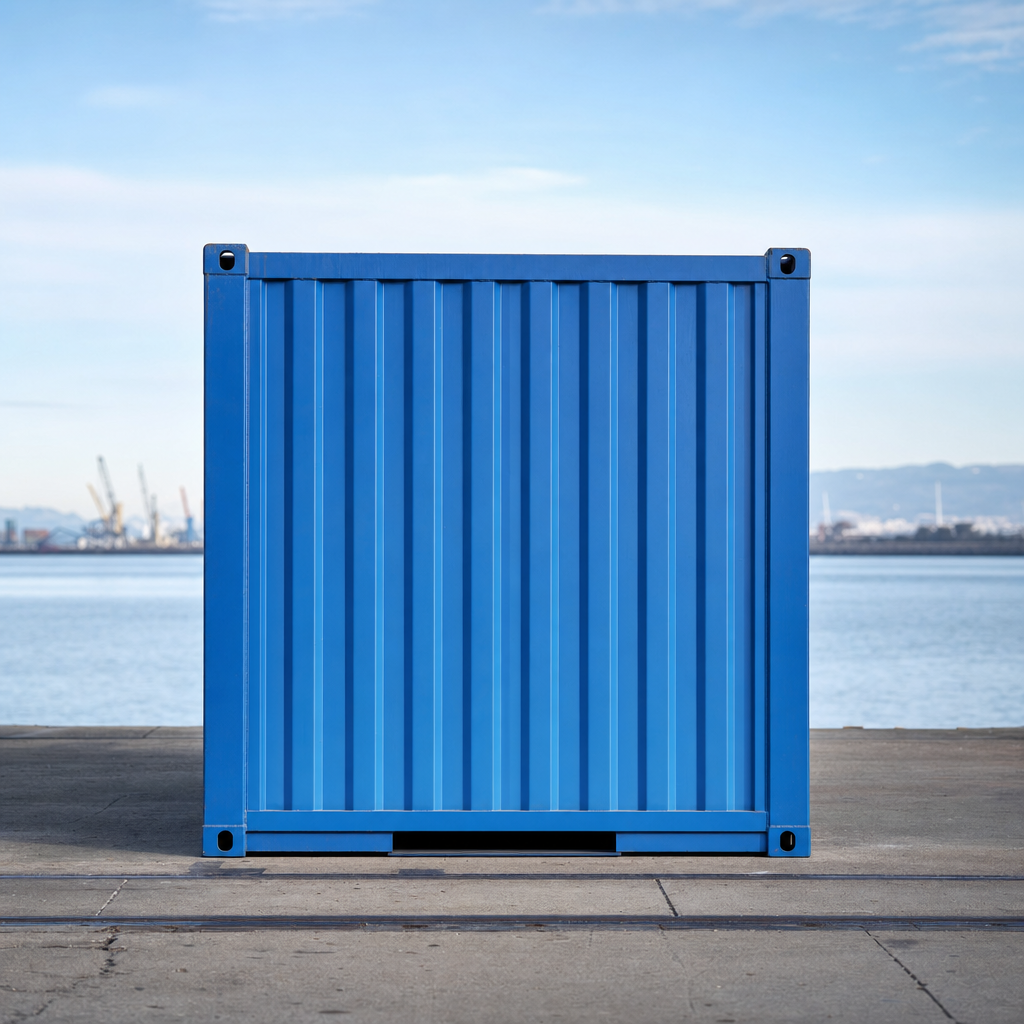
The price on a supplier invoice is rarely the full landed cost of your goods. On top of it sit freight, shipping and a family of logistics charges that have a habit of arriving in a foreign currency, at short notice, and separately from the supplier payment you have already planned for. Among the most painful of these are demurrage and detention, which can appear after the fact and turn a tidy shipment into an unexpected bill.
This guide explains what demurrage and detention are in plain terms, why these charges are hard to budget for, and why holding the right currency and being able to pay quickly protects your margin and keeps your goods moving.
A business account built for wholesale trade
Open your accountThe charges beyond the goods
Once goods leave a supplier, a string of parties handle them, and each can generate a charge. Ocean or air freight, terminal handling, customs clearance fees, inland haulage and various documentation and handling costs all sit between the factory gate and your warehouse. Many of these are billed by a freight forwarder or carrier rather than the supplier, which means they arrive on a different invoice, on a different timetable, and often in a different currency.
That separation is the root of the budgeting problem. The supplier invoice is predictable; you negotiated it. The logistics charges are spread across several bills, some of which you cannot see coming until the shipment is in motion. Added together they can be a meaningful slice of landed cost, and because they trickle in rather than landing in one number, they are easy to under-budget and easy to lose track of against a given shipment.
What demurrage and detention are
Two of the least predictable charges are demurrage and detention, and they are worth understanding because they are largely avoidable when you see them coming.
- Demurrage is typically charged when a container sits at the port or terminal beyond the free time the carrier allows. If your cargo is not collected or cleared within that window, the clock starts and a daily charge accrues until it leaves.
- Detention is typically charged when you keep the carrier's container, outside the terminal, beyond the free time allowed, for example while you unload it. Again, a daily charge accrues until the equipment is returned.
The exact free periods and daily rates vary by carrier, by port and by contract, so it is best to treat any specific day count or figure as a moving target and confirm the terms for your own shipments. What is consistent is the shape of the problem: a delay, often caused by paperwork or a finance hold-up at clearance, quietly converts into a per-day charge that grows for as long as the goods are stuck.
Why currency and speed matter
Demurrage and detention create a nasty interaction with currency. The charge is often denominated in a foreign currency, it accrues by the day, and it has to be settled before the goods or equipment are released. So the slower you are to pay, the bigger the bill grows, which makes the ability to pay quickly a direct cost-control measure, not just an administrative nicety.
If paying that charge means first converting currency, you face two problems at once: the delay of arranging the conversion while the daily charge keeps ticking, and the risk of converting at an unfavourable rate under time pressure. Holding a balance in the currencies your freight and demurrage charges actually arrive in removes both. You can settle the charge the moment it lands, from money already in the right currency, and stop the clock. The same logic applies to the smaller, ad-hoc logistics charges that crop up mid-shipment and need paying on the spot.
Seeing the true cost per shipment
Because these charges arrive piecemeal and in different currencies, the real cost of a shipment is easy to lose. A margin that looked healthy at the point of order can be eroded by freight and a couple of demurrage days that were never folded back into the calculation. Without a way to see all the charges tied to one shipment together, you only learn the true landed cost long after you have priced and sold the goods.
The fix is to capture every logistics charge against the shipment it belongs to, in the currency it was paid, so you can add up the genuine landed cost and feed it back into your pricing. Treating freight and demurrage as visible, attributable costs rather than background noise is what stops them quietly eating the margin you thought you had.
How Altery fits
Altery is not a bank, a carrier or a freight forwarder, but it sits at the payment end of all this. Multi-currency accounts let you hold USD, EUR, GBP and other currencies so you can pay freight and demurrage charges in the currency they arrive in, without a forced conversion at a bad rate while a daily charge keeps accruing, and FX on your own timeline lets you convert when it suits you rather than under pressure.
For the smaller, ad-hoc logistics charges that crop up mid-shipment, business cards with per-card spend limits let your team settle them quickly within controls you set, and global and mass payouts via SWIFT, SEPA and local rails cover the larger forwarder and carrier invoices. Real-time balances and categorised spend let you see these costs against each shipment so you can work out the true landed cost. This is general information, not advice on logistics or currency.
Frequently asked questions
Demurrage is typically charged when a container sits at the port or terminal beyond the free time the carrier allows, while detention is typically charged when you keep the carrier's container outside the terminal beyond the free time allowed, for example while unloading. Both usually accrue as a daily charge until the goods are cleared or the equipment is returned, and the free periods and rates vary by carrier, port and contract.
They are billed separately from the supplier invoice, often by a freight forwarder or carrier, on a different timetable and frequently in a different currency. Several charges arrive piecemeal rather than as one number, and some only appear once the shipment is in motion, so they are easy to under-budget and easy to lose track of against a given shipment.
Demurrage and detention often accrue by the day in a foreign currency and must be settled before goods or equipment are released, so the slower you pay, the bigger the bill grows. Holding a balance in the currency the charge arrives in lets you pay immediately without first arranging a conversion, which avoids both the delay and the risk of a poor rate under time pressure.
Capture every logistics charge, freight, clearance, demurrage and the rest, against the shipment it belongs to, in the currency it was paid, then add them to the supplier cost. Seeing these charges together rather than scattered across separate invoices is what reveals the genuine landed cost so you can feed it back into your pricing.
Run your import and distribution finances from one account
Open your accountThis guide is general information to help wholesale businesses and is not financial, tax or legal advice. Altery is not a bank. Check your own circumstances before acting.
Keep reading

Making high-value cross-border supplier transfers
Large international supplier payments run on SWIFT, SEPA or local rails. Here is how fees along the way, cut-off times and correct beneficiary details affect what arrives and when.

Customs declarations and EORI: getting the data right
Every import needs an accurate customs declaration and an EORI number. Wrong data means held goods, delays, penalties and miscalculated duty.

Reconciling purchase order, invoice and payment across currencies
Matching what you ordered to what you were invoiced to what you paid is the control that stops overpayments and duplicate payments slipping through.