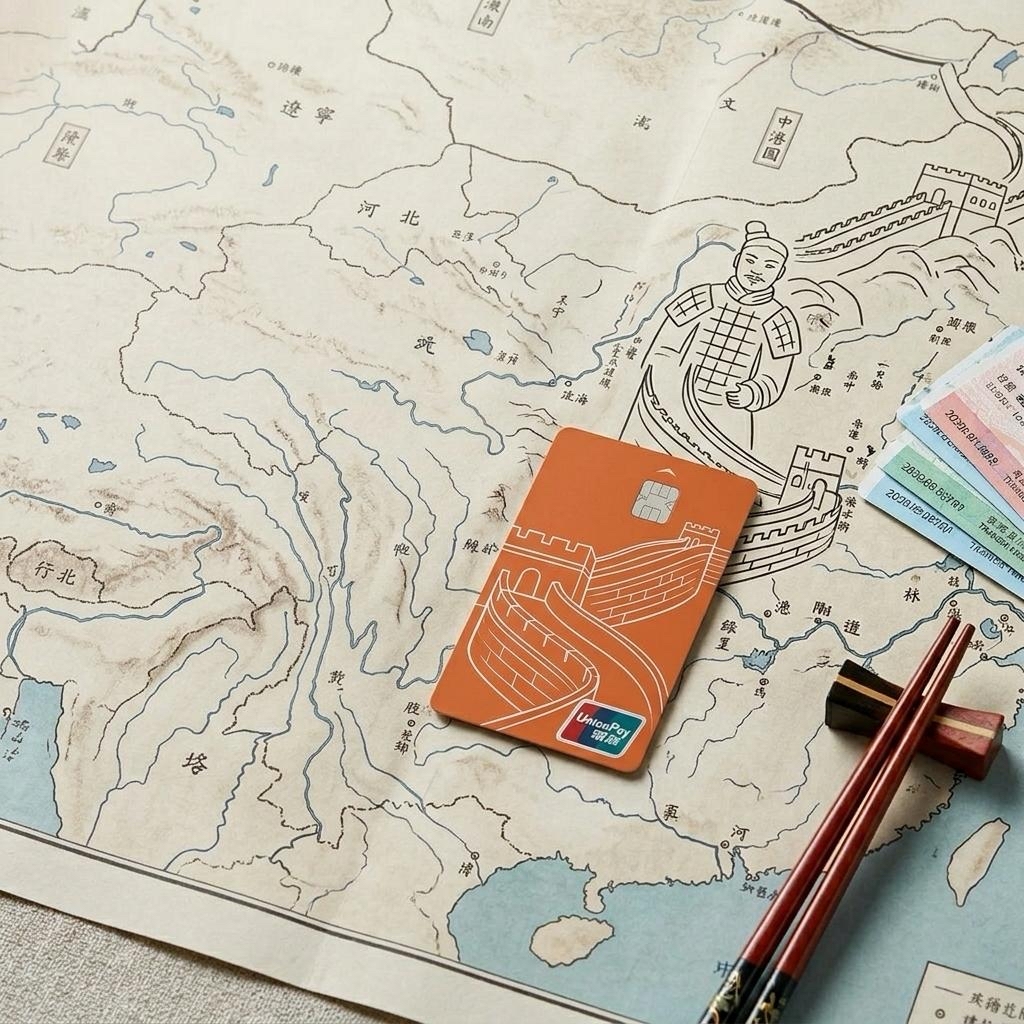
China is one of the easiest countries in the world to pay in — if you have the right setup, and one of the most frustrating if you don't. Day-to-day spending has moved almost entirely to phones and QR codes, and the cards that work everywhere at home can leave you stuck at the till. Here's how paying actually works for a visitor, and the simplest way to be ready.
China skipped the card era and went straight to mobile. Almost everywhere — restaurants, markets, taxis, vending machines, even buskers — expects a QR-code payment from a phone. Cash is still legal and shops must accept it, but many staff rarely handle it and may struggle with change. The result: the question isn't whether you can pay, it's whether your particular method is the one that place takes.
Sometimes — but don't rely on it. Foreign Visa and Mastercard tend to be accepted at international hotel chains, high-end department stores and malls, some international restaurant chains and major airports. Step into everyday China — a neighbourhood restaurant, a café, a taxi, a small shop — and a foreign card is often declined, because that merchant only routes payments through China's domestic network. Treat Visa and Mastercard as a backup for big, upmarket venues, not your main way to pay.
The popular fix is to download Alipay or WeChat Pay and link a foreign card. It does work, and in recent years it has become easier for tourists to register. But it adds moving parts: another app (or two) to set up, identity checks to pass, and merchant charges that can appear above a small per-payment threshold — on top of your card's own currency conversion. You often don't know the exact cost until the payment goes through, and a card that links fine one day can be declined the next.
UnionPay is China's own card network and the rail nearly every merchant already accepts — from metro gates and taxis to street food and luxury boutiques. A UnionPay card issued outside mainland China is tapped or inserted directly at the terminal, with no wallet app in between — nothing to link, no extra verification, and no per-payment wallet fees.
The catch has always been getting a UnionPay card in the first place — almost no one issues them to UK residents. Altery does. You onboard in about a minute, top up in GBP before you fly, and a physical UnionPay card is posted to you ready for the trip. No Chinese bank account, no local SIM, no surprise wallet fees — just a card that pays where Visa may not.
This guide is for general information only and is not financial advice. Payment acceptance, app features and fees in China change over time, so check the latest details before you travel.

Setting up Alipay as a visitor, paying by QR, the catches to expect, and a simpler way to pay.
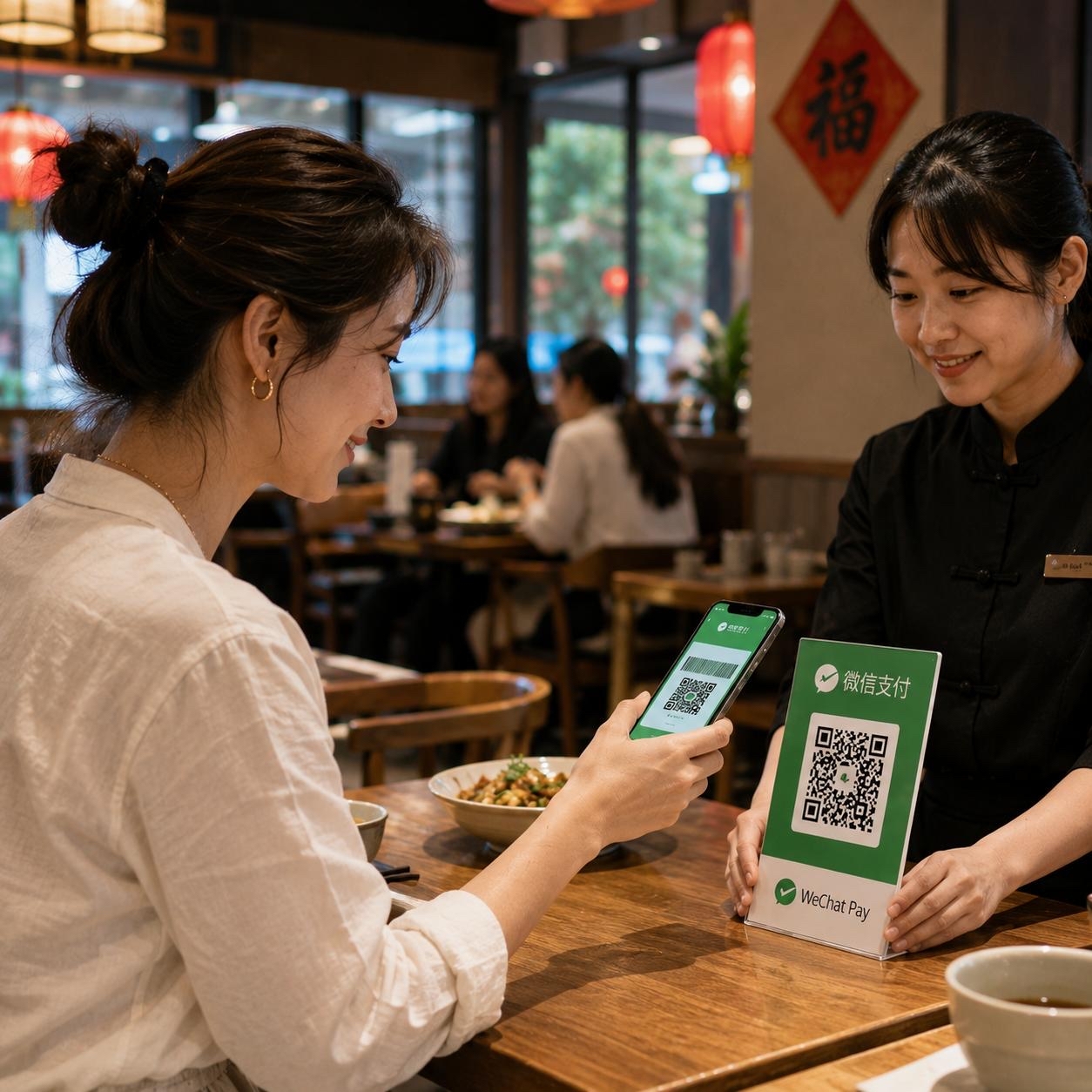
Setting up WeChat Pay as a visitor, where it gets stuck, and the cleaner way to pay across China.