
Detention vs demurrage explained

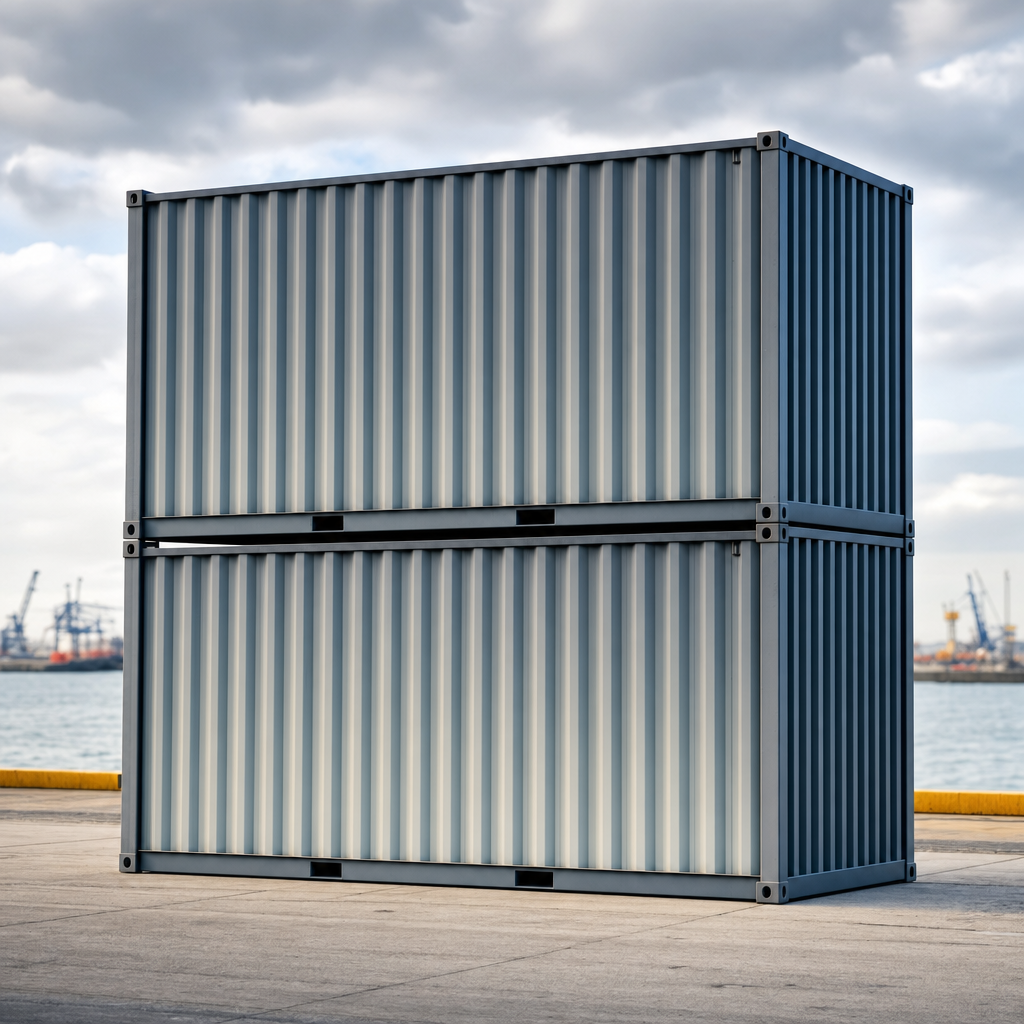
Few line items cause as much confusion on a freight invoice as demurrage and detention. They are often lumped together as "D&D", they are both billed per day per container, and they both punish delay, so it is easy to assume they are the same charge with two names. They are not. They cover different situations, and knowing which is which tells you who is responsible, where the box was when the clock was running, and whether the bill even looks right.
This guide sets out the difference in plain terms, explains how the charges accrue and escalate, and flags an important wrinkle for road operators who hear the word "detention" used for something else entirely. The context here is US ocean freight, where these charges are most heavily regulated, but the underlying ideas travel; the precise rules and free-time conventions differ by country and by carrier.
A business account built for logistics and freight
Open your accountIt comes down to where the box was
The cleanest way to keep the two apart is to ask one question: was the container inside the terminal or outside it when the charge started running?
- Demurrage is charged when a container sits at the port or marine terminal beyond the agreed free time. The box has been discharged from the vessel, but it has not yet been collected, so it is occupying space the terminal wants back.
- Detention is charged when a container is held outside the terminal beyond free time, for example sitting at the consignee's or shipper's premises while it is unpacked or loaded, or otherwise not returned to the carrier on time.
A simple memory aid: demurrage happens inside the terminal, detention happens outside it. The handover point, when the box leaves the terminal gate, is roughly where one stops and the other can begin.
How the charges accrue and escalate
Both charges share the same shape. Each container gets a window of free time, and once that runs out the meter starts. The bill is calculated per day, per container, so two boxes idle for the same period cost roughly twice as much as one.
The part that surprises people is the escalation. Rates typically rise in tiers the longer the box stays idle: the first few chargeable days might sit at one level, then the daily rate steps up, and steps up again. Illustratively, daily rates can run from the low tens into the low hundreds of dollars per container per day, climbing as the delay extends, but the exact figures vary widely by port, by carrier and by tier, so treat any single number as indicative rather than fixed.
The practical consequence is that cost compounds. A box that is a couple of days late is an irritation; a box stuck for two weeks while a problem gets sorted out can turn into a four-figure charge per container almost without anyone noticing. Across a yard full of containers, that is a serious and fast-moving cash drain.
Who actually pays
Responsibility depends on the contract chain and on who caused the delay, which is exactly why these charges are so often disputed. The party named on the invoice is not always the party that held things up, and the charge can pass down a chain, for example from an ocean carrier to a forwarder and on to the underlying customer.
Whoever ultimately carries it, the charge behaves as both a real payable, money you may owe and need to fund, and, where you can recover it from the party responsible, a receivable to chase. Because it accrues daily and escalates, the cash usually leaves before the question of who was at fault is settled. That timing gap is the heart of the problem: you often have to pay, or set money aside, before you have established whether you should have been billed at all.
A note for road operators
If you run trucks rather than containers, you will have heard "detention" used for something different: a driver and tractor-trailer kept waiting at a shipper or receiver's dock beyond the agreed loading or unloading window. That waiting-time charge is real and worth recovering, but it is a separate concept from the regulated ocean-freight detention described here.
The detention and demurrage in this guide attach to ocean containers and free time on the box, not to a driver's hours lost at a dock. If your concern is recovering pay for time your drivers spend waiting to load or unload, that belongs with accessorial and detention receivables on the road side, which the detention and accessorial receivables guide in this hub covers. Keep the two senses of the word apart and you will save yourself a lot of confusion when an invoice or a contract uses it.
How Altery fits
Demurrage and detention are regulated charges set by terminals and carriers; Altery does not bill them, waive them or advise on them. Where Altery helps is with the cash mechanics around them, so an accruing charge does not catch you short.
Because these charges compound daily, it pays to have the money ready. With Altery you can hold funds in ring-fenced reserves, separate pots set aside for charges you can see building, so the cash to clear a box is available without raiding operating funds. When port or terminal charges are billed in a foreign currency, a multi-currency account lets you hold USD, EUR and GBP and pay in the billed currency, converting on your own timeline rather than at whatever rate happens to apply the day the invoice lands. Real-time balances and alerts mean you can watch a reserve against a known accrual rather than discovering the exposure when the statement arrives.
Altery is not a bank, and this guide is general information, not advice. Use it to understand the charges, then confirm the free-time terms, rates and rules that apply to your own moves with the relevant carrier and terminal.
Frequently asked questions
Demurrage is charged while the container sits inside the port or terminal beyond free time. Detention is charged while the container is held outside the terminal, such as at your premises, beyond free time. Inside the terminal is demurrage; outside it is detention.
Both are billed per day, per container, after a window of free time runs out. Rates usually escalate in tiers, so the daily charge rises the longer the box stays idle. Exact rates vary by port, carrier and tier, so any single figure is only indicative.
No. Road operators use detention to mean a driver and vehicle kept waiting at a dock beyond the agreed window. The detention in this ocean-freight context attaches to a container and its free time. They are different charges, so keep them apart when reading a contract or invoice.
It depends on the contract chain and who caused the delay, which is why these charges are often disputed. The charge can pass down a chain from carrier to forwarder to customer, and the cash often has to be paid or set aside before fault is settled.
Run your fleet and freight finances from one account
Open your accountThis guide is general information to help logistics and freight businesses and is not financial, tax or legal advice. Altery is not a bank. Check your own circumstances before acting.
Keep reading

Disputing demurrage and detention invoices
Under US FMC rules, a demurrage or detention invoice that arrives late or omits required details can be challenged. Here is what the rules require and how to use them.

Detention and accessorial receivables: getting paid for held time
When your truck, driver or container is held beyond free time, that wait is billable. Here is how to treat detention and accessorials as receivables you must chase.

Multi-currency accounts for cross-border haulage: stop FX leakage on every leg
One cross-border haul touches several currencies before you are paid. Each conversion quietly shaves your margin. Here is how holding the currencies you earn and spend keeps that money in the load.